
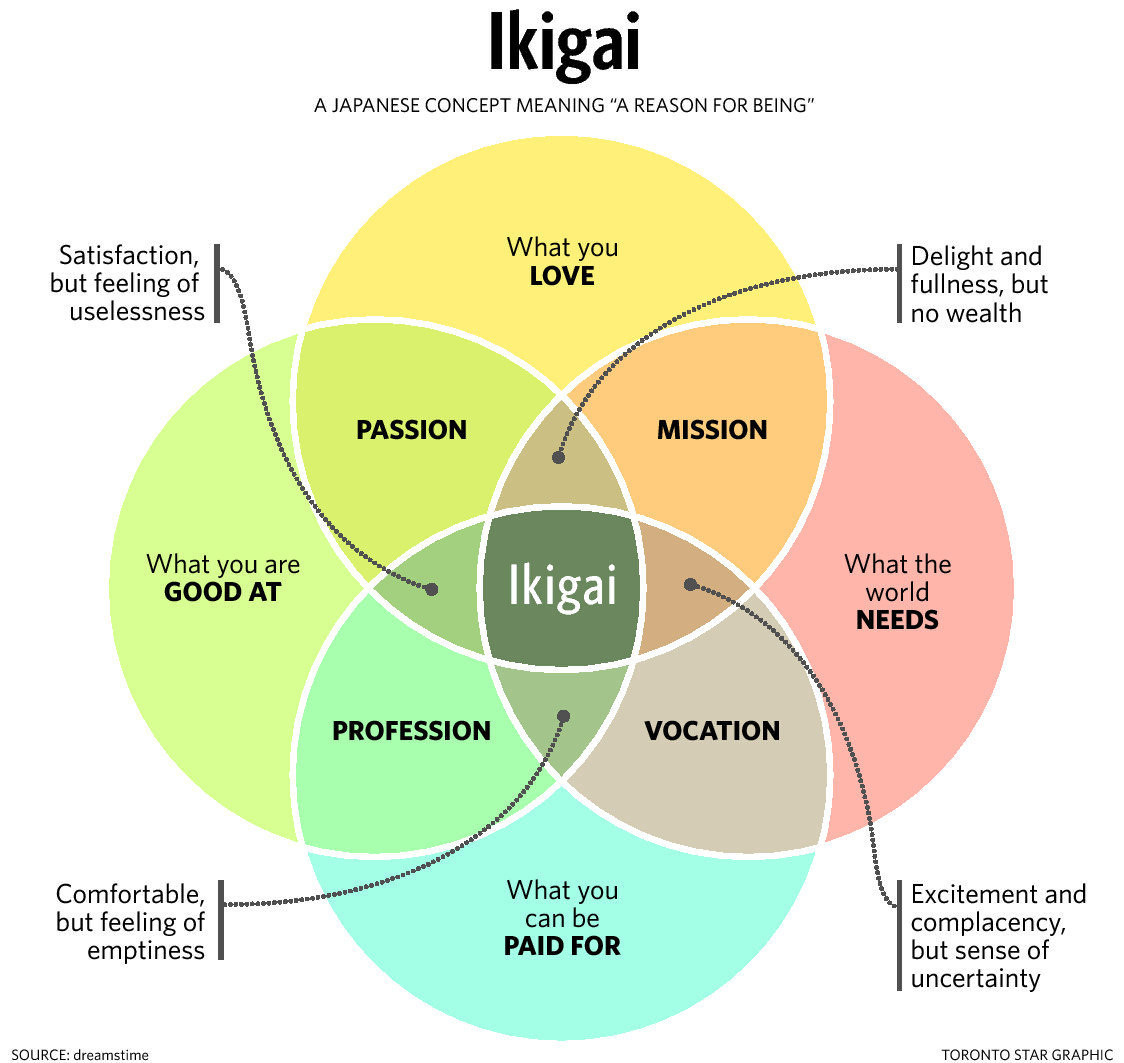
IKIGAI
Ikigai é um conceito japonês que se refere ao que dá sentido à vida ou à razão de ser de uma pessoa. A palavra "ikigai" é composta por "iki" (vida)…
A amostragem é o processo de selecionar uma parte de uma população para analisar e inferir sobre a população inteira. É uma técnica essencial na estatística, ciência de dados e…

Definição: Modelos não supervisionados são aqueles que trabalham com dados não rotulados, ou seja, dados que não possuem uma variável de saída definida.
The purpose of an organization is to create value for stakeholders. The term "value" is central to service management and ITIL 4, and must be clearly defined.
In service management, understanding the various stakeholders involved in value creation is crucial. This section defines key terms and roles, highlighting their importance in the service management ecosystem.
The central component of service management is the service. The nature of services and their relationship with products are fundamental to understanding service management.
Service relationships are fundamental for value co-creation between organizations. These relationships involve cooperation between service providers and service consumers, where organizations can simultaneously take on both roles.
Achieving desired outcomes involves resources (costs) and is associated with risks. Service providers help consumers achieve these outcomes, assuming some associated risks and costs. Service relationships are valuable when positive…
For service management to function effectively, it needs to operate as a system. The ITIL Service Value System (SVS) provides this system, describing its inputs, elements, and outputs. The SVS…
Opportunity and demand are the driving forces that trigger activities within the ITIL Service Value System (SVS). These activities ultimately lead to the creation of value. Both opportunity and demand…